LSM279
Justice and Kindness:
Social Principles of the United Methodist Church

From the beginnings of the Wesleys’ movement, Methodists have focused on advocating and doing justice and mercy in public life as well as in personal holiness. But times and social settings change, so how do United Methodists in the 21st century obey Micah 6:8: “What does the Lord require of you but to do justice and love kindness and walk humbly with your God?”
Justice and Kindness: Social Principles of the United Methodist Church surveys the new statement of social principles adopted by General Conference 2020/2024. The document was composed with the participation of clergy and laity in every annual conference across the globe, drafted after listening sessions and surveys, studied and repeatedly revised, and finally adopted with large margins at GC in April 2024, after its 12-year development. It is designed to be theologically grounded, succinct, focused enough to be useful locally, and general enough to be relevant for congregations around the world.
This course will help participants understand and apply this little-known but powerful teaching document in personal, congregational and public contexts, while engaging respectfully with persons of different perspectives.
This is an updated version of the official Lay Servant Ministries course Justice in Everyday Life.
This course has been approved by Discipleship Ministries as an advanced course in Lay Servant Ministries. It provides the required 10 contact hours.
This course is eligible for 1.0 CEU.
Quick Info:
Number of weeks: 2
Price: $105
CEUs: 1.0
Required books: No
Blackboard: Yes
Zoom: No
Certification or Series: Yes (Lay Servant Ministries)
Read course description for details.
New to BeADisciple?
Read how BeADisciple courses work
Price: $105
For a smooth enrollment experience, we recommend using Google Chrome browser on a computer.
About the Instructor
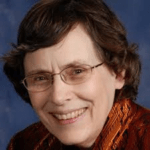
Beth Galbreath is both the author and the instructor of this course, which will focus on the United Methodist Church’s Social Principles and how they connect to traditional Wesleyan themes. Beth has been passionate about social issues all her life, both supporting and taking action inside and outside of the church. She has traveled extensively from childhood years spent in Europe and five states, and adult study and mission trips in Russia, India, the Philippines, Cameroon, and Bolivia. She has been part of congregations and community organizations in urban, rural, small town, and suburban social settings, meeting and working with people in different cultures and engaging with folks of many different perspectives.