CLM101 – CLM Module One: Call and Covenant for Ministry

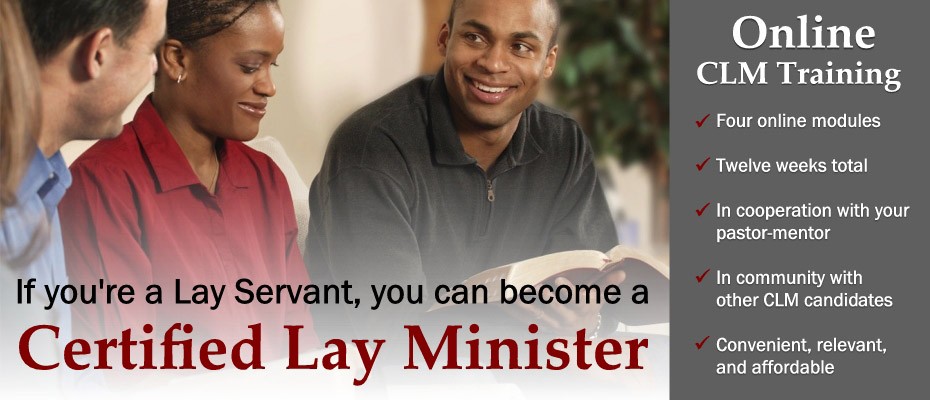
Are you called to Certified Lay Ministry? Are you called to lead discipleship programs, accountability groups, or even to help serve small membership churches? CLM Module One: Call and Covenant for Ministry examines United Methodist theology and ordering of ministry, along with the role of the Certified Lay Minister and other leadership concerns. Alongside fellow students, you will discover how CLMs “fit” into the big picture of ministry in the United Methodist Church and, through conversation with your fellow students and with instructor guidance, you’ll begin the process of discerning your own call.

MEC332 – Sacred Tension Reading Group

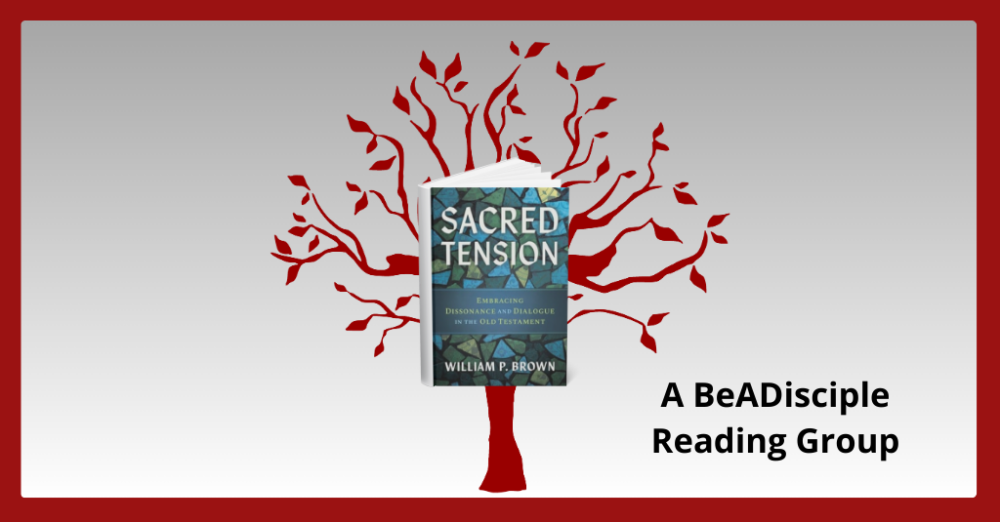
This six-week course is designed for learners who want to read William P. Brown’s book Sacred Tension in community with an instructor and other learners. The course will provide a schedule for reading the book so you can read and reflect on the material throughout the week, then share your reflections with others. It may be of special interest if you have taken the “Teaching Sacred Tension to Local Congregations” course, allowing you to familiarize yourself with the whole book before leading a course in your local church.

MEC272 – Old Testament Through a Different Lens: The Prophets/Nevi’im

This course examines Scripture through lenses other than those familiar to us as Christians. It looks at the Prophets—from Joshua, Judges, Samuel, and Kings, to the major and minor prophets of the Old Testament—and connects them to the contexts and experiences of ancient and modern Israel. It will focus on the “bad” kings, the heroes, the judges, the building of the nation into a unified monarchy and its dissolution. You will discover the many times Israel was invaded and dispersed in antiquity and see the role of prophetic voices in the exile/captivity, as well as learning more about how God works in the lives of Biblical figures. Finally, it will bring the insights of these ancient prophets into a modern context.

MEC271 – Old Testament Through A Different Lens: Torah and Beyond

Old Testament? Hebrew Bible? TANAKH? In this course, we will journey through the first six books of the Bible through a different lens by using the works of rabbis and renowned Jewish theologians and scholars, past and present. Learners will be exposed to Jewish interpretations of Torah and beyond without the requirement of familiarity with Judaism or reading Hebrew.

MEC222 – Closing Conversations: An End-of-Life Care Guide

Intended for clergy, chaplains, lay pastoral caregivers, or others interested in facilitating discussions in their congregations, Closing Conversations: An End-of-Life Care Guide can help you navigate these questions with compassion and confidence. Whether the central person is you, a family or church member, or someone you know, this course can help with answers to those thorny questions and smooth the process for all involved. Topics will include communication of wishes, helpful documents and resources, telling your story, challenges associated with end-of-life care, and much more.

LSM333 – Fresh Expressions for Being the Church Today

This Fresh Expressions course is designed for church leaders who want to learn new skills for being the Body of Christ in the 21st century. The two-week course will explore what it means to form new faith expressions in the places where people already are, dive into the scriptural connections of the Fresh Expressions movement, and plan how to begin a Fresh Expression.

LSM279 – Justice and Kindness: Social Principles of the United Methodist Church

From the beginnings of the Wesleys’ movement, Methodists have focused on advocating and doing justice and mercy in public life as well as in personal holiness. But times and social settings change, so how do United Methodists in the 21st century obey Micah 6:8: “What does the Lord require of you but to do justice and love kindness and walk humbly with your God?” Justice and Kindness: Social Principles of the United Methodist Church surveys the new statement of social principles adopted by General Conference 2020/2024. This course will help participants understand and apply this little-known but powerful teaching document in personal, congregational and public contexts, while engaging respectfully with persons of different perspectives.